
What's New
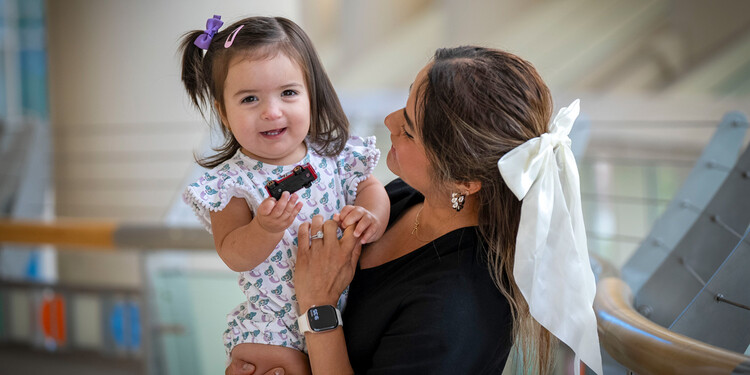
Duke Health Cleft Lip and Palate Specialists Give Baby Her Smile
When Luisa Scott found out her unborn daughter Zoey had a cleft lip and palate, she and her husband were uncertain where to seek care. Then, they met the Duke Health Cleft and Craniofacial team and felt confident in their choice to go to Duke. Now, one year after her cleft palate repair surgery, Zoey is happy and healthy. “I love Duke. I had the best experience there,” said Luisa.
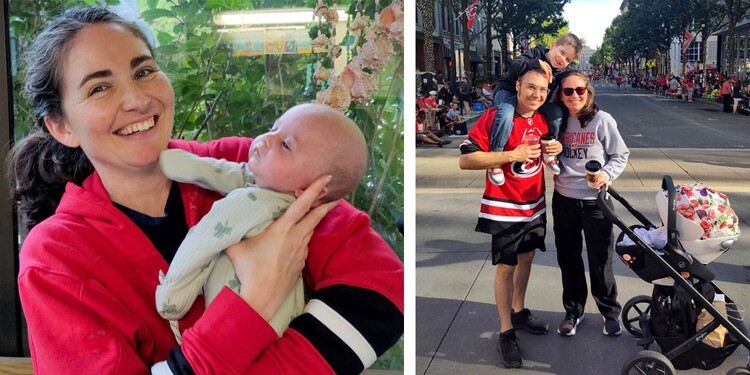
Pregnant with a Phyllodes Tumor, Woman Moves Family for Care at Duke
Jessica Clarke was pregnant with her second child when she noticed a small lump in her breast. It grew larger while she waited a month for an ultrasound. After a surgical biopsy confirmed it was a malignant phyllodes tumor, Clarke and her family moved temporarily to Durham so she could have comprehensive cancer treatment and her baby at Duke Health. Today, Clarke is back home in Dallas; her prognosis is good, and her risk of local recurrence is low. “We made it through that,” she said. “We’ll make it through whatever comes next.”

Minimally Invasive Heart Surgery Helps Man Get Kidney Transplant Sooner
When Bob Blake went to Duke Health for a kidney transplant evaluation, experts discovered blockages in his coronary arteries that put him at risk for a heart attack. Instead of traditional heart bypass surgery, Blake underwent minimally invasive coronary artery bypass grafting. After a quick recovery, Blake got his transplant. “We probably cut off months of delay that could have prevented him from being a kidney transplant candidate,” said Duke kidney transplant specialist Matthew Ellis, MD. “The sooner we get someone transplanted, the better they do.”
Duke Health Blog
-
 Can a Simple Blood Test Detect Cancer?Read Article
 -
 Winston-Salem Man Celebrates Freedom From Dialysis After Kidney Transplant at DukeRead Article
 -
 New Drug Renews Hope in People with Pancreatic CancerRead Article
 -
 Multifidus Stimulation Helps Strengthen Muscles to Reduce Low Back PainRead Article